


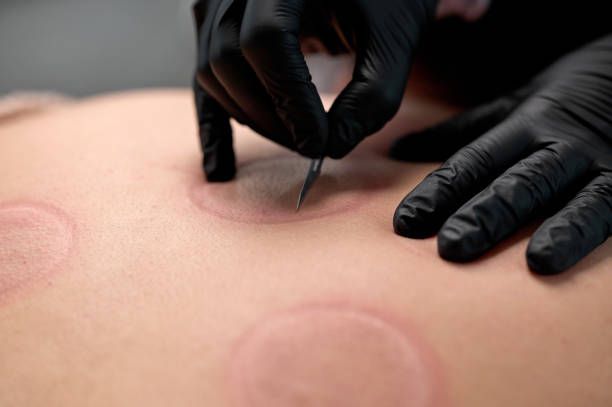
Nipple tattooing has become an important option for individuals who want to restore, enhance, or personalize the appearance of the nipple and areola area. While many people associate nipple tattoos with breast reconstruction after surgery, modern techniques also allow for a high level of customization. Every person’s body is unique, and factors such as size, shade, and placement can be adjusted to create results that feel natural and personally meaningful.
Whether the goal is paramedical restoration Plan before mastectomy, improving symmetry, or creating a customized aesthetic appearance, thoughtful planning plays an essential role in achieving satisfying results.
The Importance of Personalization in Nipple Tattooing
Nipple tattooing is not a one-size-fits-all procedure. A successful result depends on understanding individual anatomy, skin tone, personal preferences, and desired outcomes.
Customization allows clients to consider details such as:
- Areola size and shape
- Pigment shade and color balance
- Nipple placement and symmetry
- Natural breast contours
- Personal aesthetic goals
For individuals recovering from surgery, customization can help recreate a realistic appearance. For others seeking artistic options, it provides a way to create a look that matches their vision.
Choosing the Right Areola Size
Size is one of the most important aspects of nipple tattoo customization. The size of the areola can influence the overall balance and appearance of the breast area.
A professional tattoo artist considers several factors when determining the appropriate size, including:
- Existing breast shape
- Natural proportions
- Placement of the reconstructed nipple
- Client preferences
- Symmetry between both sides
Some individuals prefer a more subtle and natural-looking areola, while others may want a slightly larger or more defined appearance.
For reconstruction patients, the goal is often to create a size that closely matches the natural appearance before surgery or complements the reconstructed breast shape.
Creating Natural-Looking Proportions
Proportion is essential when designing nipple tattoos. An areola that is too small or too large may appear less natural, which is why experienced artists carefully evaluate the surrounding anatomy.
Factors that influence proportion include:
- Breast size
- Chest structure
- Existing nipple placement
- Changes caused by surgery or aging
The artist’s role is to create balance so that the tattoo enhances the overall appearance rather than drawing attention away from the natural body contours.
Selecting the Perfect Shade
Color selection is another key part of nipple tattoo customization. The ideal shade depends on several personal factors, including skin tone, natural pigmentation, and desired results.
Artists often blend multiple pigments to achieve realistic variations rather than using a single flat color. This approach allows for more natural-looking outcomes.
Shade considerations may include:
- Skin undertones
- Natural nipple and areola colors
- Changes caused by surgery
- Existing scars or pigmentation differences
A skilled practitioner can adjust tones to create warmth, depth, and realistic transitions.
Understanding Pigment Changes Over Time
Like all tattoos, nipple tattoos may change slightly as they age. Sun exposure, skin changes, and natural fading can affect pigment appearance.
Professional artists consider long-term results by choosing pigments that:
- Complement the client’s skin tone
- Heal predictably
- Maintain natural-looking color over time
- Can be refreshed if needed
A well-planned tattoo should look appropriate not only immediately after the procedure but also after the healing process is complete.
Placement and Symmetry Considerations
Placement is another major element of nipple tattooing. The location of the nipple and areola affects the overall balance of the breast appearance.
For individuals who have undergone reconstruction, placement may involve recreating the position of the original nipple or adjusting placement based on the new breast shape.
Important placement factors include:
- Distance from surrounding anatomy
- Alignment between both sides
- Breast shape and contour
- Natural positioning
Even small adjustments in placement can create a significant difference in the final appearance.
Creating Symmetry After Breast Reconstruction
Breast reconstruction can sometimes result in differences between the two sides. Nipple tattooing can help improve visual balance by adjusting:
- Areola size
- Color intensity
- Shape
- Position
Artists use careful measurements and design techniques to create a more harmonious appearance. The goal is not always perfect mathematical symmetry but a natural-looking balance.
Custom Designs Beyond Traditional Restoration
While many nipple tattoos focus on realistic restoration, some individuals choose customized artistic approaches. These may involve decorative elements, unique shapes, or personalized designs.
Creative customization options may include:
- Decorative shading
- Artistic details
- Alternative color choices
- Personalized patterns
These options allow individuals to make choices based on their own identity and preferences.
The Consultation Process
A detailed consultation is an important step before nipple tattooing. During this appointment, the artist discusses expectations, evaluates the area, and develops a personalized plan.
The consultation may include:
- Reviewing desired size and shape
- Discussing color preferences
- Evaluating skin condition
- Explaining the healing process
- Planning the final design
Clear communication helps ensure that the client and artist share the same vision.
Choosing an Experienced Nipple Tattoo Artist
Because nipple tattooing requires both technical skill and artistic understanding, choosing an experienced professional is essential.
A qualified artist should have experience with:
- Areola and nipple tattooing
- Pigment blending
- Skin tone matching
- Scar tissue considerations
- Natural-looking results
Reviewing healed examples of previous work can help individuals understand an artist’s style and approach.
Maintaining Your Customized Nipple Tattoo
Aftercare and maintenance help preserve the quality of the tattoo. Following professional instructions can support proper healing and long-lasting results.
Long-term care may include:
- Protecting the area from excessive sun exposure
- Keeping skin moisturized
- Scheduling touch-ups when needed
- Monitoring changes in color or appearance
Over time, some individuals choose enhancement sessions to refresh faded pigments or make small adjustments.
Conclusion
Customizing size, shade, and placement allows nipple tattooing to become a highly personalized experience. Whether the goal is restoring a natural appearance after surgery or creating a unique aesthetic look, careful planning can help achieve results that feel balanced and meaningful.
Through skilled technique, thoughtful design, and collaboration between artist and client, nipple tattooing can support confidence, body acceptance, and a renewed sense of personal comfort.
