


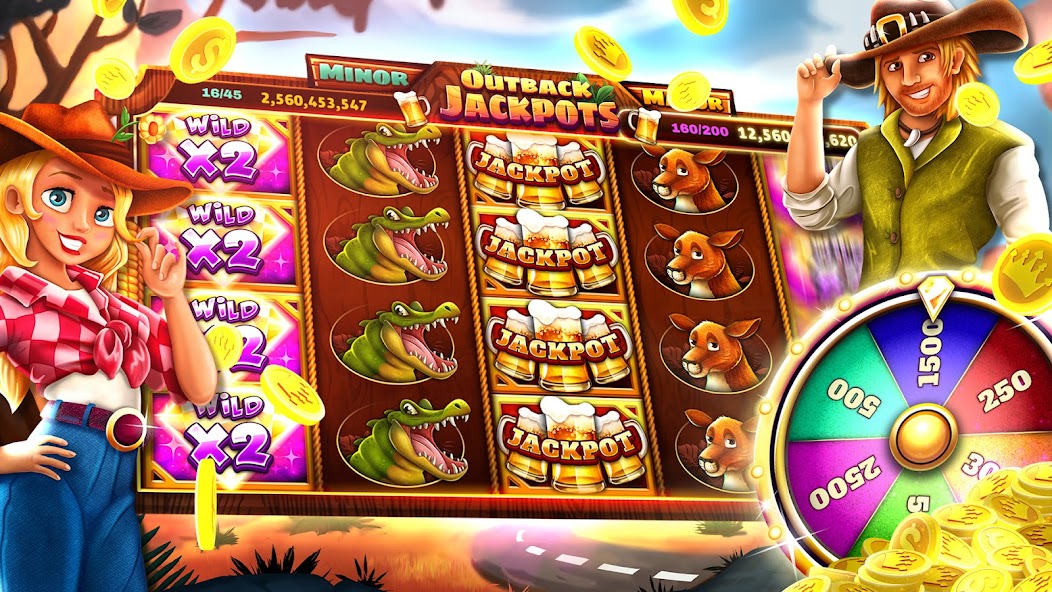
Gambling has been a part of human culture for thousands of years. From ancient dice games and card tables to modern casinos and online gaming platforms, people across different societies have been drawn to activities involving chance, risk, and reward. best online casinos uae While gambling is often viewed as a simple form of entertainment, the reasons behind its appeal are rooted in complex psychological and neurological processes.
At the heart of gambling’s attraction lies a fascinating combination of dopamine, probability, anticipation, and human decision-making. Modern neuroscience has revealed that the excitement of gambling is not solely about winning money. In many cases, it is the uncertainty of the outcome and the anticipation of a possible reward that create the strongest emotional response.
Understanding the science behind gambling can provide valuable insight into why games of chance are so engaging and why they continue to captivate millions of people around the world.
The Brain’s Reward System
The human brain contains a network known as the reward system, which helps reinforce behaviors associated with pleasure, motivation, and learning.
A key component of this system is dopamine, a neurotransmitter that plays an important role in:
- Motivation
- Reward processing
- Learning
- Attention
- Anticipation
Contrary to popular belief, dopamine is not simply the brain’s “pleasure chemical.” Instead, it is heavily involved in the anticipation of rewards and the motivation to pursue them.
When people expect something potentially rewarding, dopamine activity often increases before the reward is received.
This process is highly relevant to gambling.
Why Uncertainty Is So Powerful
One of the most interesting findings in neuroscience is that uncertain rewards can generate stronger dopamine responses than guaranteed rewards.
Imagine two scenarios:
- Receiving $20 with complete certainty.
- Having a chance to win $100 through a game of chance.
Even though the second outcome is uncertain, the possibility of a larger reward often generates greater excitement and anticipation.
This reaction occurs because the brain is highly sensitive to unpredictability.
The uncertainty surrounding gambling outcomes creates a state of heightened attention and emotional engagement that many players find exciting.
The Thrill of Anticipation
For many gamblers, the most exciting moment is not necessarily winning.
Instead, it is often the brief period before the outcome is revealed.
Examples include:
- Watching a roulette wheel spin
- Waiting for cards to be dealt
- Seeing slot reels come to a stop
- Following the final moments of a sports wager
During these moments, anticipation activates reward-related brain circuits.
The possibility of a positive outcome generates excitement even before the result becomes known.
This anticipation is one reason gambling can be such a compelling form of entertainment.
Probability and Human Perception
While probability governs gambling outcomes, humans do not always interpret probability accurately.
Research has shown that people frequently rely on intuition rather than mathematical reasoning when evaluating risk.
Common cognitive biases include:
The Gambler’s Fallacy
Many people mistakenly believe that past outcomes influence future random events.
For example, after seeing several red results in roulette, a person may assume black is “due.”
In reality, each spin remains independent.
Overestimating Rare Events
Humans tend to give disproportionate attention to unlikely but highly memorable outcomes.
Large jackpot wins receive significant publicity, making them seem more common than they actually are.
Illusion of Control
People often feel they have more influence over random events than they truly do.
This perception can increase confidence even in games that are entirely chance-based.
These psychological tendencies help explain why gambling can feel more predictable or controllable than it actually is.
Near Misses and Their Impact
A particularly interesting phenomenon in gambling psychology is the “near miss.”
A near miss occurs when an outcome appears very close to a win but ultimately results in a loss.
Examples include:
- Two jackpot symbols aligning while a third lands just outside the payline
- A sports bet narrowly missing a winning outcome
- A roulette ball landing next to a selected number
Research suggests that near misses can activate some of the same brain regions involved in actual wins.
Although no reward is received, the experience can still feel encouraging because it creates the impression of being close to success.
Importantly, near misses do not increase the likelihood of future wins, but they can influence how players perceive their chances.
Variable Rewards and Engagement
Many gambling activities use what psychologists call a variable reward schedule.
Unlike predictable rewards, variable rewards occur at irregular intervals.
Examples include:
- Slot machine payouts
- Lottery prizes
- Poker tournament results
- Sports betting outcomes
Variable rewards tend to maintain engagement because players never know exactly when a win might occur.
This unpredictability contributes to the excitement that many people associate with gambling.
The same psychological principles can also be observed in other activities, including social media notifications, video games, and collectible hobbies.
The Social Dimension of Gambling
Gambling is often a social activity.
Casinos, poker rooms, sportsbooks, and online communities allow people to interact with others who share similar interests.
Social factors can enhance enjoyment through:
- Friendly competition
- Shared experiences
- Group celebrations
- Community participation
For many individuals, the social environment is just as important as the games themselves.
Technology and Modern Gambling
Advances in technology have amplified many of the psychological elements associated with gambling.
Modern games often incorporate:
- Dynamic graphics
- Interactive features
- Sound effects
- Real-time statistics
- Personalized experiences
These features are designed to increase engagement while creating immersive entertainment environments.
Online platforms have also made gambling more accessible than ever before, allowing players to participate from virtually anywhere.
Responsible Gambling and Self-Awareness
Understanding the science behind gambling can help individuals make more informed decisions about their gaming activities.
Responsible gambling practices include:
- Setting spending limits
- Establishing time limits
- Viewing gambling as entertainment
- Avoiding attempts to recover losses through additional wagers
- Taking regular breaks
Awareness of how dopamine, anticipation, and probability influence behavior can support healthier and more balanced gambling habits.
The Future of Gambling Psychology
As neuroscience and behavioral research continue to advance, casinos and gaming companies will gain even deeper insights into player behavior.
Emerging technologies such as artificial intelligence, machine learning, and personalized gaming experiences may further shape how gambling products are designed and delivered.
At the same time, regulators and operators are increasingly focused on balancing innovation with responsible gambling initiatives and player protection measures.
Conclusion
The appeal of gambling extends far beyond the possibility of financial rewards. At its core, gambling engages powerful psychological and neurological systems that respond to uncertainty, anticipation, and potential rewards. Dopamine plays a central role in motivating behavior, while human perceptions of probability influence how risks and opportunities are interpreted. Combined with social interaction, immersive technology, and variable rewards, these factors help explain why gambling has remained a popular form of entertainment for centuries. By understanding the science behind gambling, players can better appreciate both its appeal and the importance of approaching it responsibly.
