


Understanding Runner’s Knee Before It Gets Worse
Runner’s knee, often referred to as patellofemoral pain syndrome, is one of the most common overuse issues among runners and active individuals. It typically starts as a dull ache around or behind the kneecap and gradually worsens with repeated activity.
At first, the discomfort may only appear during long runs, stair climbing, or squatting. But if ignored, it can progress into persistent pain that affects everyday movement.
The key to managing runner’s knee is early intervention—before irritation turns into chronic inflammation or long-term movement restriction.
Why Runner’s Knee Develops
Runner’s knee is not caused by a single factor. Instead, it usually develops due to a combination of muscle imbalance, overuse, and poor movement mechanics.
Weak or tight muscles around the knee—especially the quadriceps, hamstrings, and hip stabilizers—can alter how the kneecap moves during activity. This uneven tracking increases stress on the joint.
Over time, repetitive impact from running or jumping can amplify this stress, leading to irritation and discomfort around the kneecap.
The Importance of Early Action
Early-stage runner’s knee is often reversible with proper care. Ignoring symptoms, however, can lead to longer recovery times and reduced activity levels.
Addressing tightness and improving circulation around the knee early helps reduce stress on the joint and supports more balanced movement patterns.
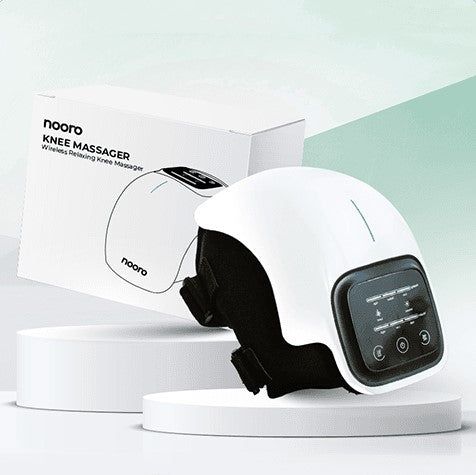
This is where a targeted knee massager uk routine can be especially helpful as part of a broader recovery strategy.
How a Knee Massager Supports Early Recovery
A knee massager helps address key contributing factors of runner’s knee by improving circulation, reducing muscle tightness, and supporting joint flexibility.
Heat therapy relaxes tight muscles around the knee, especially the quadriceps, which play a major role in patellar tracking. Compression or vibration helps stimulate blood flow and reduce stiffness in the surrounding tissues.
Together, these effects help reduce the tension that contributes to kneecap irritation.
Reducing Pressure on the Kneecap
One of the main issues in runner’s knee is uneven pressure on the kneecap. When surrounding muscles are tight or imbalanced, they pull the kneecap out of its ideal movement path.
A knee massager helps reduce this tension by relaxing the muscles that influence knee alignment. As these muscles loosen, pressure on the kneecap becomes more evenly distributed during movement.
This can help reduce discomfort during walking, running, and squatting.
Improving Circulation for Faster Recovery
Poor circulation can slow recovery and contribute to stiffness around the knee joint. A knee massager helps increase blood flow to the affected area, delivering oxygen and nutrients to tired muscles.
Improved circulation also helps clear metabolic waste that can build up after exercise, reducing soreness and stiffness.
This supports faster recovery between runs and helps maintain consistent training without worsening symptoms.
A Targeted Routine for Runner’s Knee Relief
A structured knee massager routine can be highly effective in managing early symptoms. A simple approach includes:
Using the device for 10–15 minutes after running or physical activity to relax tight muscles and support recovery.
Using low to moderate settings to avoid overstimulation, focusing instead on gentle relief and circulation support.
Combining sessions with light stretching of the quadriceps, hamstrings, and calves to reinforce mobility improvements.
Consistency is more important than intensity when dealing with early-stage runner’s knee.
Supporting Better Movement Mechanics
When muscles around the knee are tight, running form can become less efficient. This often increases strain on the kneecap and worsens symptoms.
A knee massager helps restore flexibility in key muscle groups, allowing for smoother and more balanced movement patterns.
Improved muscle function reduces compensatory movements and helps the knee track more naturally during activity.
Preventing Progression Into Chronic Pain
One of the biggest risks with runner’s knee is letting early symptoms develop into chronic discomfort. Once pain becomes persistent, recovery often takes longer and requires more intensive intervention.
By addressing tightness and circulation early, a knee massager routine can help prevent this progression.
It supports the knee environment before inflammation becomes deeply established, making recovery more manageable.
When to Use a Knee Massager
The best time to use a knee massager for runner’s knee is after activity or during rest periods when the joint feels tight.
It can also be used on non-running days to maintain flexibility and reduce muscle buildup.
Each session should remain comfortable and relaxing, never painful or overly intense.
Who Benefits Most from This Approach
This routine is especially helpful for runners, joggers, and fitness enthusiasts who are beginning to notice mild knee discomfort.
It is also useful for individuals returning to running after a break or those increasing their training intensity.
By addressing early signs of strain, it helps maintain consistent activity without interruption.
Conclusion
Runner’s knee is a common but manageable condition when addressed early. The key is reducing muscle tension, improving circulation, and supporting proper joint movement before pain becomes chronic.
A targeted knee massager routine offers a simple and effective way to achieve this. By relaxing surrounding muscles and enhancing recovery, it helps reduce stress on the kneecap and supports healthier movement patterns.
With consistent use and proper training habits, it becomes a valuable tool in preventing progression and keeping runners active, comfortable, and injury-free.
