


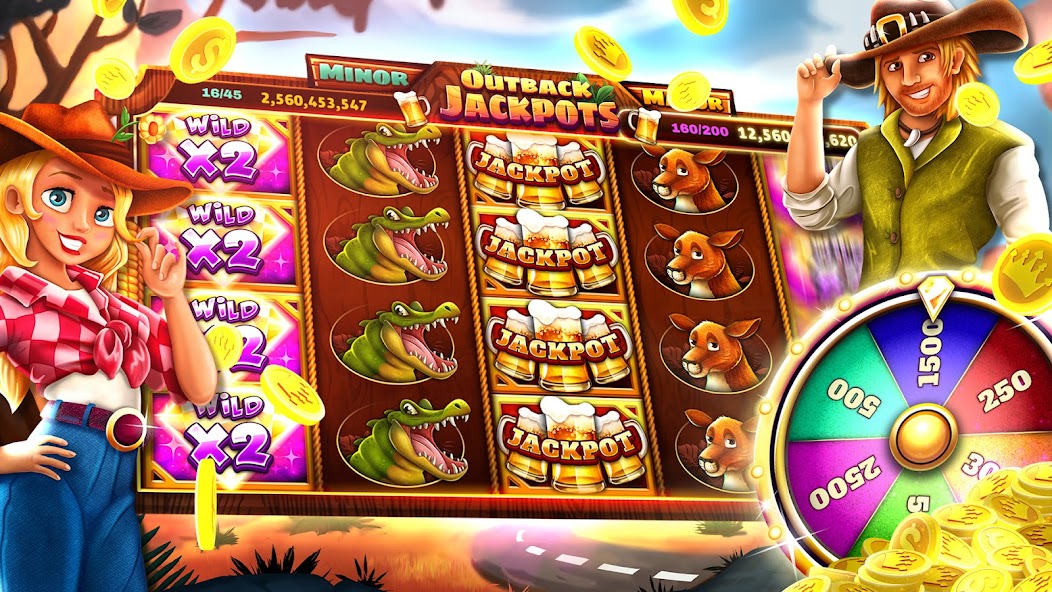
Introduction: A New Era of Casino Gaming
Casinos have always evolved with technology, but the pace of change in recent years has been unprecedented. What once relied entirely on physical tables, mechanical wheels, and human dealers is now increasingly shaped by software, data systems, and immersive digital environments. The modern casino is no longer just a physical space—it is a hybrid ecosystem where online casinos in kuwait algorithms, networks, and user interfaces play as much of a role as chips and cards.
This transformation is not simply cosmetic. Technology is fundamentally rewriting how games work, how players interact, and how the entire casino experience is structured.
From Mechanical Wheels to Digital Systems
The earliest casinos depended on mechanical systems: spinning roulette wheels, shuffled decks, and physical slot reels. While these systems still exist in many venues, they are now often supported—or fully replaced—by digital equivalents.
Random Number Generators (RNGs) have become the backbone of modern gaming. These algorithms produce outcomes that simulate randomness at high speed, ensuring fairness while allowing for far more complex game design than mechanical systems could support.
This shift has allowed casinos to expand game variety dramatically, introducing new formats, faster gameplay cycles, and more dynamic outcomes.
Online Casinos: The Expansion Beyond Physical Space
One of the most significant technological shifts has been the rise of online casinos. No longer confined to physical locations, gambling has moved into digital platforms accessible from computers, tablets, and smartphones.
This expansion has changed the fundamental nature of access. Instead of traveling to a casino floor, players can now enter virtual gaming environments instantly. These platforms replicate traditional games while also introducing entirely new digital formats that would not be possible in physical spaces.
Online casinos have also introduced global connectivity, allowing players from different regions to participate in shared gaming ecosystems.
Live Dealer Technology: Bridging Two Worlds
Live dealer games represent a major innovation in casino technology, blending physical and digital experiences. In these setups, real dealers operate from studios or casino floors while streaming gameplay to online players in real time.
This model preserves the human element of traditional gaming while leveraging digital accessibility. Players can interact with dealers, observe real card dealing, and experience table games without being physically present.
High-definition streaming, multi-camera setups, and low-latency connections ensure that the experience remains smooth and immersive.
Mobile Gaming: Casinos in the Palm of Your Hand
Mobile technology has further transformed the industry by making casino games accessible anywhere with an internet connection. Smartphones have become one of the most important platforms for modern gaming.
Mobile optimization allows players to spin reels, place bets, and join tables with simple touch controls. This shift has changed not only where people play, but how often they engage with games.
The convenience of mobile access has made gaming more continuous and integrated into daily life, rather than being limited to dedicated casino visits.
Artificial Intelligence and Personalized Gaming
Artificial intelligence is increasingly shaping how casinos operate behind the scenes. AI systems analyze player behavior, game patterns, and engagement metrics to optimize user experiences.
This can include:
- Personalized game recommendations
- Adaptive interfaces based on user behavior
- Risk detection for responsible gaming systems
- Dynamic promotional offers tailored to individual players
AI allows casinos to move away from one-size-fits-all design and toward more individualized experiences.
However, this also raises important questions about data use and responsible engagement, which regulators continue to monitor closely.
Virtual and Augmented Reality: Immersive Futures
Virtual reality (VR) and augmented reality (AR) are beginning to redefine what a casino environment can look like. Instead of interacting with a flat screen or physical table, players can enter fully immersive digital casinos where they move through 3D spaces, interact with objects, and engage with other players in real time.
AR technology also allows digital elements to overlay physical environments, blending real-world spaces with interactive gaming features.
While still developing, these technologies point toward a future where the distinction between physical and digital casinos becomes increasingly blurred.
Blockchain and Transparency in Gaming
Blockchain technology is also influencing casino systems, particularly in online platforms. By recording transactions on decentralized ledgers, blockchain can increase transparency and trust in game outcomes and financial operations.
Some platforms use blockchain to verify fairness in game results or to manage secure, traceable transactions. This reduces reliance on centralized systems and introduces new levels of accountability.
While adoption is still growing, blockchain represents a significant step toward more transparent digital gaming ecosystems.
Data, Speed, and the Modern Casino Experience
Modern casinos are increasingly driven by data. Every interaction—from game selection to session length—is analyzed to improve performance, design, and user engagement.
This data-driven approach allows for:
- Faster game loading and transitions
- Real-time balancing of game environments
- Improved security and fraud detection
- Enhanced user experience optimization
Speed has become a key feature of digital casinos. Instant transactions, rapid gameplay cycles, and seamless navigation all contribute to a more fluid experience compared to traditional formats.
Conclusion: A Casino Without Walls
Technology has fundamentally reshaped the casino from a physical destination into a multi-platform experience. What once existed only on gaming floors now extends into apps, virtual environments, and algorithm-driven systems.
The digital spin represents more than just a new way to play—it reflects a complete restructuring of how games are designed, delivered, and experienced.
As technology continues to evolve, the casino of the future will likely become even more immersive, personalized, and interconnected. The rules are no longer just written in chips and cards—they are coded in software, data, and digital systems that are constantly redefining what gambling can be.
